Addis reflects the need for a broader vision of development finance
Reaching an agreement between 193 countries on how to mobilize the finances necessary to achieve the Sustainable Development Goals (SDGs) was indeed a notable achievement of the 3rd International Financing for Development Conference.
But perhaps more importantly, many of the conversations at the nearly 200 side events and in the corridors of the UN conference hall in Addis reflected how much the world, as well as discussions of economic and social development, have changed since the adoption of the Millennium Development Goals (MDGs) in 2000.
At the time, development was viewed as a linear process from being a poor country to becoming a middle income country and finally a rich country. But that world—where you could neatly categorize countries and where negotiations were between developed versus developing countries—has changed fundamentally.
Today, every country plays multiple roles. Middle-income countries have become major providers of development finance, but are home to many of the world’s poor. Low-income countries are the source of important development experience and development knowledge. The crises emanating in high income countries have an impact in poor countries, while fragility and insecurity in poor countries can become a drag on rich countries.
These dynamics have long pointed to a need for a new definition of development finance that embraces a broad partnership of governments, the private sector, civil society, and multilateral institutions. The ambitious SDG agenda also goes much further than the MDGs, calling for financing that far surpasses the roughly $135 billion in official development assistance (ODA) provided each year.
At the Addis conference, I saw a recognition that these goals cannot be achieved with ODA alone, and that it will take private investment and countries raising their own funds and spending them efficiently.
The catch is that neither domestic resources nor private investments automatically flow into investments that help countries achieve the SDGs. That’s where ODA and multilateral development banks can play an important role. We can help countries build effective systems to raise taxes and spend them efficiently to provide the services citizens and businesses need.
The same is true with private investment. Multilateral development banks will play an important role in using ODA to leverage and channel private sector capital in support of the SDGs. Private investment follows considerations of risks and returns, not the appeals of UN conferences. Instead of just filling financing and investment gaps, we can use ODA to help governments create the right policy environment and prepare projects that are sustainable in terms of the returns for the investor, but also have a positive impact on citizens. We can also act as intermediaries to connect investors with good projects that help achieve the SDGs and pay adequate returns for the risks incurred.
In the lead-up to Addis, the World Bank Group, IMF and the regional multilateral development banks recognized the need to massively scale up financing, and worked together closely to identify ways to maximize our collective resources. We announced plans to provide more than $400 billion in commitments over the next three years ($138 billion a year from 2016-18), but also developed specific proposals to catalyze public and private investments that help achieve the SDGs, including a joint World Bank Group-IMF toolkit to assess and improve tax policies.
These are just the first steps. The true test will come in 2030 when we look back at the previous 15 years to assess how far we’ve come.
In that respect, Addis Ababa was an inspiring setting for the conference. Many speakers during the week reminded us that, when people spoke about Ethiopia in the ‘70s and ‘80s, they spoke about famine and the desperation of its citizens. But today when you’re visiting Addis and traveling around the country, you recognize that there are still development challenges, but you also see real progress. You see investment, you see people working, you see economic and social progress.
Addis was a reminder of how far we’ve come and how far we still need to go. But I’m hopeful that we’ll look back at 2015 as a time when leaders embraced a more nuanced, broader view of development finance that allowed the world to eradicate extreme poverty and achieve sustainable development.
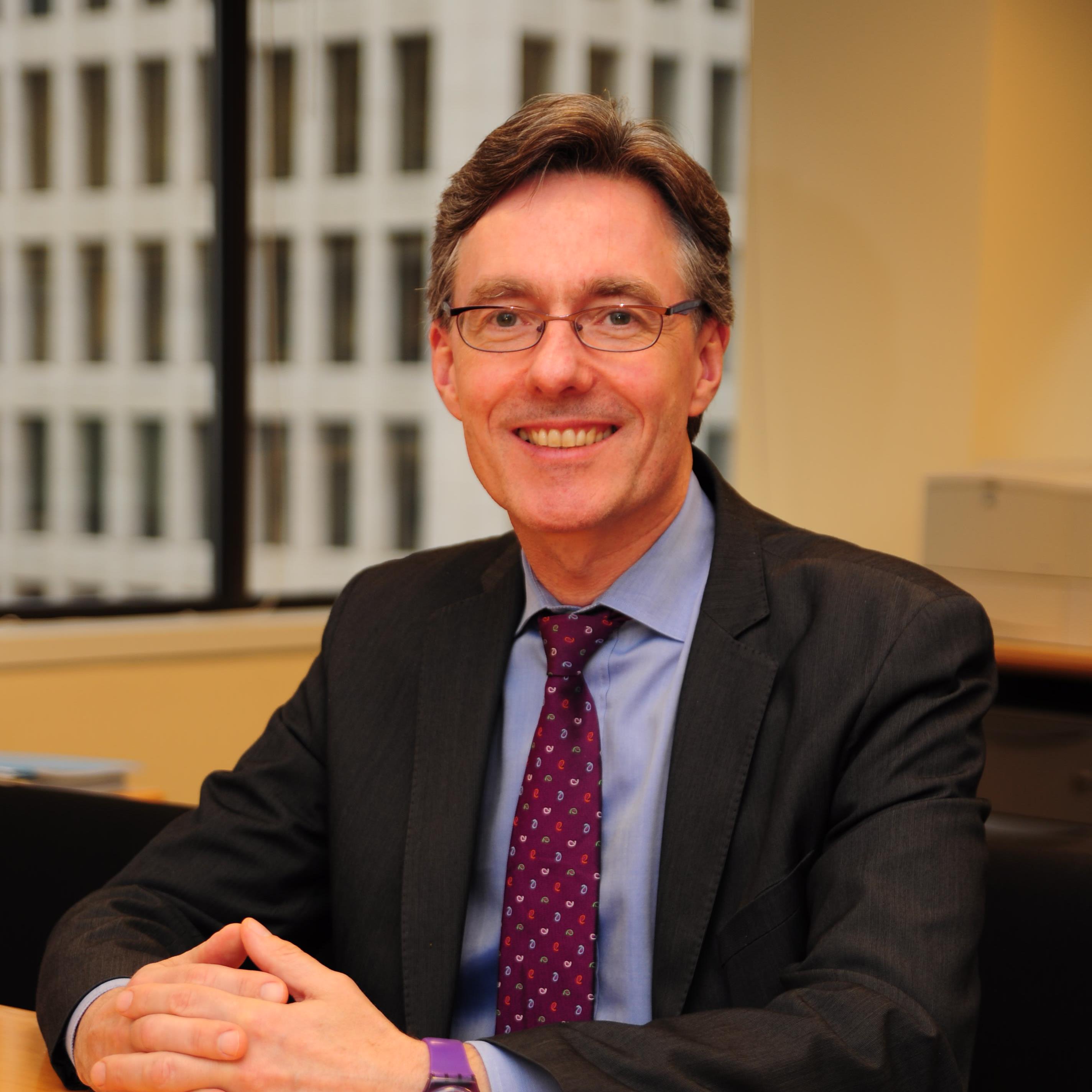
Joachim von Amsberg is Vice President, Development Finance of the World Bank.


Good points by Joachim about how the dynamics of development finance are changing and embracing broad partnerships between governments, private sector, civil society, and multilateral institutions, as a way to help operationalize shared value goals for development.
And I would add, as stated in clause 32 of the Finance for Development (FfD) document–known as the Addis Ababa Action Agenda, that was approved at the UN-sponsored Third International Conference on Financing for Development that was held in Addis Ababa, Ethiopia in mid- July 2015, the achievement of shared value goals for development could also be fostered by enacting policy reforms and adopting innovative financing approaches such as TOBACCO TAXATION: on one hand, to reduce tobacco consumption and hence to contribute to protect and improve the health conditions of the population and reduce premature mortality (indeed, tobacco kills); and on the other hand, to tap a public revenue stream for financing for development in many countries as already done successfully for example in the United States, Canada, England, Australia, Chile and Philippines, while reducing health care costs associated with medical care and other services provided for tobacco-related diseases and disabilities.
Pingback: kursus